

- Hormones
- Scientific Studies
- TRT
The Science Behind Testosterone Replacement Therapy: What Every Man Should Know
Key Takeaways
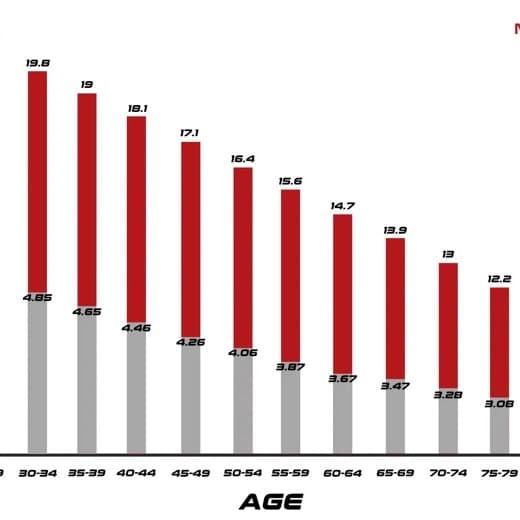
Testosterone levels naturally decline 1-2% per year after age 30, often causing fatigue, brain fog, and reduced drive.
TRT is a medically supervised protocol, not a shortcut, designed to restore hormones to optimal physiological levels.
Comprehensive blood work is essential before starting any hormone therapy to ensure a personalized, safe approach.
Most men report noticeable improvements in energy, mood, and body composition within 4-8 weeks of starting treatment.
Understanding Testosterone
Testosterone is the primary androgenic hormone in the male body, driving crucial biological processes from spermatogenesis and muscle mass accretion to cognitive clarity and mood regulation. As men age, serum testosterone levels naturally decline by approximately 1% to 2% per year after age 30. However, for millions of men, this decline is more steep, leading to a clinical syndrome known as hypogonadism.
TRT is not about performance enhancement or lifestyle optimization; it is a medically supervised treatment paradigm designed to safely restore hormone levels to their optimal physiological baseline.
Signs & Symptoms of Low T
The manifestations of low testosterone are multifaceted, impacting both physiological and psychological wellness. Recognizing these signs early is crucial to receiving appropriate medical intervention.
- Persistent Fatigue
Unexplained lack of energy even after getting adequate sleep and rest.
- Loss of Lean Muscle
Decreased muscle mass and strength, accompanied by an increase in visceral body fat.
- Brain Fog & Mood Shifts
Irritability, difficulty concentrating, and a general lack of drive in daily tasks.
- Reduced Libido
A noticeable drop in sexual desire and general performance vitality.
The Science of Medical Diagnostics
Before commencing any protocol, a comprehensive blood panel is mandatory. At Mantality, we assess total and free testosterone, estradiol, SHBG, thyroid hormones, and kidney/liver function. This comprehensive diagnostic review ensures that your protocol is calibrated specifically for your body.
Wake up ready. Finish strong.
Book a consultation with our medical team and discover if personalized hormone therapy is the missing link.
Related Articles
 APRIL 15, 20259 MIN READ
Testosterone's Dropping Like a Rock. Tell Your Crew to Man Up and Get Checked.
Read more JUNE 3, 20267 MIN READ
Low Testosterone Symptoms: What Your Body May Be Telling You
Read more MAY 28, 20268 MIN READ
Searching "Peptides Near Me"? Here's What to Look for in a Clinic
Read more MARCH 3, 202611 MIN READ
The FDA Just Made Peptide Therapy Clearer and Safer. Here's What That Means for You
Read more